


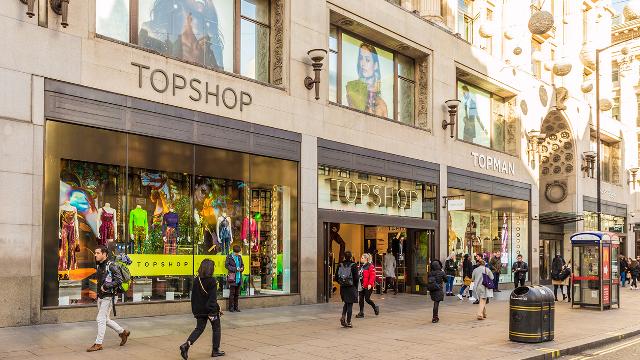
In a significant development for the UK retail landscape, Topshop, the iconic British fashion brand, could be set for a return to the high street after Asos sold its 75% stake in the brand for £135 million in a joint venture with Heartland, representatives of the Holch Povlsen family. The deal, announced recently, signals the possibility of Topshop re-emerging as a physical presence, just three years after its collapse into administration and its subsequent acquisition by Asos in 2021.

What are the deal details?
Asos bought the brands, along with Topman, Miss Selfridge and HIIT, in 2021 from Philip Green’s collapsed Arcadia group for £265m (excluding stock). The joint venture will grant Asos “certain design and distribution rights” for the Topshop and Topman brands in return for a royalty fee, enabling it to continue marketing and selling the brands online. It will relaunch Topshop.com as part of the venture, but has no plans to open physical stores at the moment, the company said.
Asos said the deal is expected to have a £10m to £20m negative impact on EBITDA but to be “increasingly EBITDA accretive over time”.
What are the Short and Long term implications?
In the short term, the sale provides ASOS with immediate financial relief and a streamlined focus, as it capitalises on Heartland’s expertise to manage the brands. This arrangement also allows ASOS to retain some control over the design and distribution of Topshop and Topman, ensuring it can continue to offer these popular labels online and collect royalties without the burden of full ownership. In the long term, the partnership positions ASOS for global expansion and increased brand exposure, with Heartland’s backing creating new opportunities for Topshop and Topman to grow internationally. This move aligns with ASOS’s broader strategy to achieve sustainable, profitable growth while freeing resources to enhance its core business model. The deal also leaves the door open for potential future ventures in physical retail, though ASOS remains focused on digital platforms for now.
What are the risks?
The joint venture between ASOS and Heartland, while offering strategic advantages, carries several risks. One immediate concern is the potential loss of control over the future direction of the Topshop and Topman brands, as ASOS cedes ownership and relies on Heartland’s management. Although ASOS retains design and distribution rights, its influence over the brands’ positioning, innovation, and long-term vision may diminish, potentially leading to a dilution of brand identity or misalignment with ASOS’s broader goals.
Additionally, relying heavily on online sales without plans for physical stores could limit brand visibility and growth in markets where brick-and-mortar presence remains important. There’s also the risk that the anticipated global expansion may not materialise as expected, especially in a highly competitive fashion market where customer preferences can shift rapidly. Finally, the success of the joint venture hinges on the effectiveness of Heartland’s strategy and execution, meaning ASOS is vulnerable to any missteps in brand management or operational challenges that could affect Topshop and Topman’s performance.
Conclusion
The £135 million sale of Topshop marks a pivotal moment in the ever-evolving story of the British high street. As Asos moves to stabilise its own business, the deal could breathe new life into one of the UK’s most beloved fashion brands. However, with the high-street retail environment facing unprecedented challenges, the success of a Topshop comeback remains far from guaranteed.